
Working for yourself is the fastest way to “see” your psychological/emotional baggage, in my opinion. Because you truly can’t avoid it anymore when your income depends on you taking risks, making decisions constantly, putting yourself out there, and receiving lots of feedback or rejection.
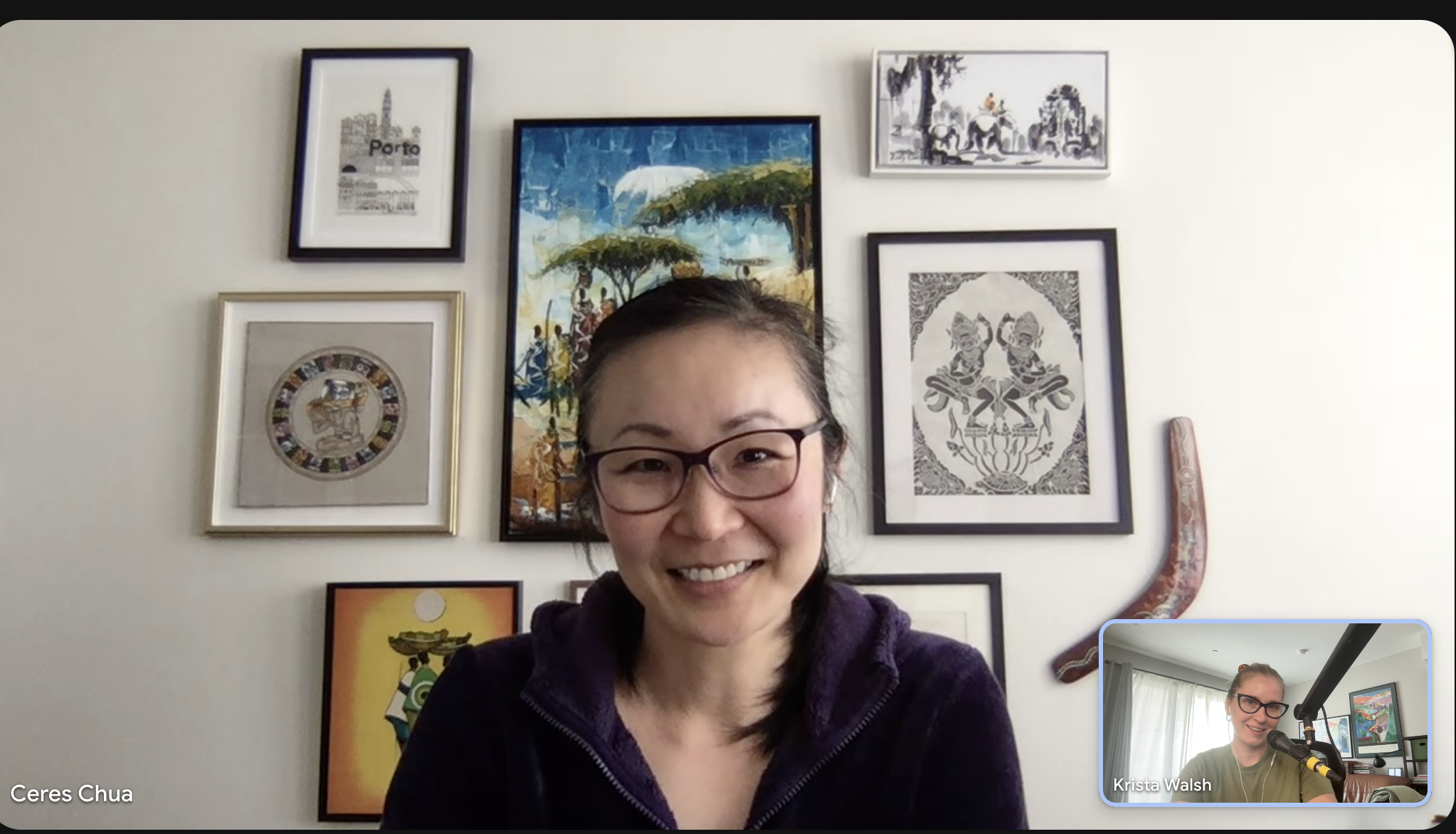
And in no place does this baggage show up more for founders than in our relationship to money. I love how Ceres Chua, a self-proclaimed money psychologist for solos, talks about dealing with money as a solopreneur.
So naturally, I invited her to be interviewed.
We discuss a concept called “money archetypes” and “money scripts” and how to recognize which one is, well, yours, so you can make better decisions.
On LinkedIn you’re known as a “money psychologist,” but what does actually working with clients look like?
I’m a financial educator, but a lot of how I approach problem-solving isn’t just technical — taxes, structure, all of that — it’s also psychological.
I call myself a money psychologist, because a lot of how I approach money and our relationship with it is psychology-based. We talk about cognitive biases, we talk about money scripts. So I come at it from both angles: technical and psychological.
I do mostly solopreneur finance, which blends personal finance and business finance. Whether we want it blended or not, it kind of is.
What draws you to solopreneurs in particular?
Two things. First, the psychological component is still there and still under-discussed. It’s not therapy but it’s helping you understand your story with money so it doesn’t become a barrier. If you carry a money script and money archetype into your solopreneur journey, it shapes how you act with money without you realizing it.
I’m a “money vigilant” myself, for example. When I build a business, I want to save as much money as possible, so I DIY everything — the website, researching every single business credit card, all of it. I spend so much time on things that aren’t actually adding value to my business, just because I refuse to spend money.
The second thing is that most financial content is aimed at high-net-worth people — how to make more money, tax savings, that kind of thing. Nobody’s really talking about the basics of solopreneurship itself. And right now, the environment is pushing people into it: there are so many layoffs, not enough jobs to go around. A lot of people become solopreneurs out of necessity, not choice — and they still need support. That’s why a lot of my newsletter content is technical, like how to think about your business structure, when to think about it (not on day one — build the business first), and so on.
Can you talk about the “money scripts” and “money archetypes” you mentioned?
They’re written over years. If you grow up in a household where your parents are always fighting about money, that script gets written over and over: money is bad, money hurts relationships, money causes anxiety. As an adult, you internalize that talking about money means bad things happen, so you avoid it.
It’s very involuntary — just a product of the environment you grew up in. For me, becoming money vigilant started because my parents talked about saving constantly. That’s all they ever talked about, so I internalized that the only thing to do with money was save, save, save. For the longest time I didn’t know how to spend money — it was kind of tragic, honestly. I’d think, is this all there is? Just save everything and then what?
It wasn’t until my 30s, when I started traveling, that it started to make sense. Yes, save — but you can’t take it with you. You have to spend it while you can and buy some happiness along the way.
So what are the four archetypes?
- Money Vigilant. This is me. Vigilant people think money is meant to be saved. They don’t struggle with saving; they struggle with spending.
- Money Worshiper. These people equate more money with more happiness. Because everyone wants to be happier, they tend to be drivers who chase more money, whether they’re in corporate or solopreneurs.
- Money Status Seeker. Similar to worshipers, except they equate their net worth with their self-worth. The more money they have, the more they feel they’re worth. Ironically, these people often end up with less money, because they spend it to show how much they have.
- Money Avoidant. These people think money is bad and don’t want to think about it at all. If they never had to open their checking account again, that would be fine by them.
What does each archetype actually look like in a solopreneur’s day-to-day business?
Great question.
Money Vigilant: They DIY everything. Need a website? They’ll figure it out themselves. Need to learn marketing? Same. They’re so used to saving that spending money is genuinely hard for them.
Money Worshiper: They overwork, like they’ll be working 50, 60, 70 hours a week, for years. They set a goal, hit it, and immediately move the goalpost instead of acknowledging they got there. That cycle repeats indefinitely, and it’s the fastest way to burn out without realizing you’re burning out.
Money Status Seeker: The easiest way to spot them — they have the most beautiful website of anyone you know, sometimes built before they’ve even launched the business. It’s not superficial exactly; they genuinely believe outward appearance is core to the business, so they pour money and energy into looking the part, maybe even before the substance is there.
Money Avoidant: Classic underchargers. They don’t believe they’re worth what they’re charging, so they charge less than the market would actually bear, because they don’t feel worthy of asking for more.
To be clear, these are broad strokes — nobody fits so neatly into one bucket. But it’s a useful lens for the patterns that show up.
Is there an “ideal” archetype for a solopreneur to have — or is the goal not to have one at all?
I don’t think you can ever not have one. You spend a lifetime writing these money scripts into your mind — it’s like being a lifelong athlete and deciding one day to just stop being an athlete. You can’t. It’s part of who you are.
The goal isn’t to erase your archetype. It’s more like to become conscious of it, and recognize the blind spots it creates. For me right now as a Money Vigilant, that means recognizing I don’t need to do everything myself — I can pay someone to do something faster and better than I could. I’ll still run the numbers, because that’s who I am, but then I consciously choose to spend the money because it makes sense.
If someone reading this recognizes themselves in one of these types, what’s a good first step?
Money Vigilant – So, stop DIYing everything. Your time is worth more than the money you save doing it yourself. I still catch myself in this. I was talking to someone recently who wanted to point their listeners to my website, and I said “just find me on LinkedIn” — because I never got around to fixing my website. When I started out, I didn’t have much coming in, so DIYing made sense. But I can afford to delegate now, and recognizing that is the first step to actually doing something about it.
Money Worshiper – Definitely, catch yourself moving the goalpost. If you set a revenue goal at the start of the year — say $50,000 a month by December — and you hit it early, don’t just reset it to $75,000. Notice that you set that goal, that you met it, and let yourself celebrate it. Take a breath. You can revisit the goal next cycle, but don’t let the goalpost move without your noticing.
Money Status Seeker – Resist investing in “looking the part” too early. A beautiful website isn’t what makes or breaks your first few customers. You may need that investment down the road, but if you’re just starting out, put your energy into the actual work first.
Money Avoidant – Stop undercharging! If your instinct says “maybe I should charge $50 instead of the standard $100 because I’m just starting out” — don’t listen to it. Charge what the market actually supports and let the market decide. If it’s too much, you can scale down. But don’t start low just because you don’t feel worthy yet.
Great advice… but hard to actually follow, though!
Very hard — because you grew up with that script. It’s genuinely difficult to overcome the first few times you try. But the more you practice, the easier it gets for your brain to say, “No, I’m going to do this instead, because it’s better for me.”
If you find yourself thinking, “well, that piece of advice doesn’t feel right” — that’s often the sign it’s actually the advice you need. If a piece of advice feels easy to do to you (i.e. it’s your default), it’s probably not the advice that’s going to move you.
Any final thoughts?
Just that we get attached to who we say we are — and that attachment can hold us back. I built a reputation around “money psychologist,” and it’s sticky in a good way. But sometimes I want to do more, and there’s a real internal struggle in giving myself permission to grow past the label people already know me by.
xoxo, your favorite website freak,
Krista


Be the first to comment